
7 Best Herbal Home Remedies
Your Journey to Better Health

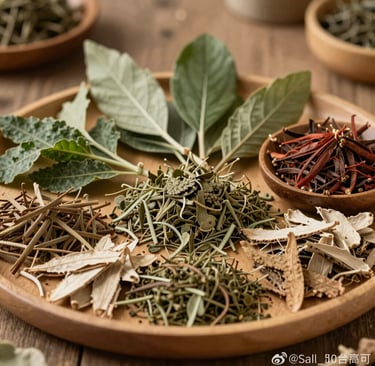
Herbal remedies have been a significant component of traditional medicine systems for thousands of years, dating back to ancient civilizations such as those of China, India, and Egypt. These plant-based solutions have been used to treat a wide range of health conditions, from minor ailments to chronic diseases. The resurgence of interest in herbal remedies in recent decades reflects a growing desire for more natural approaches to health and well-being, particularly amid rising concerns about the side effects of synthetic medications.
The benefits of using herbal remedies extend beyond their historical significance. Many individuals are gravitating towards plant-based solutions because they often possess a wide range of therapeutic properties. Herbs such as eucalyptus, chamomile, and peppermint are renowned for alleviating symptoms such as congestion, anxiety, and digestive discomfort. Additionally, these remedies are generally more accessible and cost-effective compared to conventional pharmaceutical treatments, making them an appealing choice for many consumers.
However, it is crucial to approach the use of herbal remedies with caution. The natural composition of these substances does not automatically guarantee safety or efficacy. Some herbs can interact negatively with prescribed medications or may not be suitable for certain health conditions. Therefore, consulting with healthcare professionals prior to incorporating herbal remedies into one's health regimen is highly advisable. This ensures a comprehensive understanding of individual health needs and the safe use of these natural alternatives.
As the trend towards using herbal remedies continues to grow, it is vital to embrace them wisely, understanding both their potential benefits and the importance of making informed decisions about their use.
Top 7 Herbal Remedies and Their Uses
Herbal remedies have long been valued for their health benefits and natural healing properties. Here, we explore seven of the most effective herbal remedies that can be readily utilized in the comfort of your home, complete with their common applications and unique advantages.
1. Honey for Coughs: Known for its soothing properties, honey is a natural remedy for coughs. It can be consumed by mixing it into warm water or herbal tea. A tablespoon of honey before bedtime can help alleviate nighttime coughs and promote better sleep.
2. Ginger for Nausea: Ginger root is widely recognized for its effectiveness against nausea, particularly in cases of motion sickness or morning sickness during pregnancy. It can be prepared as ginger tea by boiling fresh slices in water, offering both flavor and relief.
3. Mint for Digestion: Mint, especially peppermint, acts as a digestive aid and can alleviate symptoms of indigestion. Preparing peppermint tea involves steeping fresh mint leaves in hot water. Drinking this tea post-meals can enhance digestion and relieve bloating.
4. Chamomile for Sleep: Chamomile tea is renowned for its calming effects and is often used to promote restful sleep. Steeping dried chamomile flowers in hot water creates a soothing bedtime drink, which can help ease anxiety and improve sleep quality.
5. Turmeric for Inflammation: Turmeric contains curcumin, a powerful anti-inflammatory compound. A common way to use turmeric is to make a turmeric latte or golden milk by mixing turmeric powder with warm milk and sweetening it with honey.
6. Aloe Vera for Skin Irritations: The gel from aloe vera leaves can be applied directly to minor burns or skin irritations. Its cooling properties help soothe the skin and promote healing through its anti-inflammatory and moisturizing effects.
7. Tea Bags for Under-Eye Swelling: Used tea bags, particularly green or black tea, can help reduce puffiness around the eyes due to their caffeine content. Cooling the used bags in the refrigerator before placing them on closed eyes for 10-15 minutes provides a refreshing and depuffing effect.
Safety Tips for Using Herbal Remedies
Herbal remedies have gained popularity for their potential health benefits; however, it is essential to approach their use with caution. One of the primary safety concerns regarding herbal treatments is the possibility of interactions with other medications. Certain herbs can potentiate or inhibit the effects of pharmaceutical drugs, leading to adverse effects or reduced treatment efficacy. Therefore, it is imperative to consult with a qualified healthcare professional before starting any new herbal regimen, especially for individuals who are already taking prescription medications or who have underlying health conditions.
Another important safety guideline is to be aware of the dosage and form in which the herbal remedy is consumed. Herbs can be ingested in various forms, such as teas, tinctures, capsules, or extracts, and each has its specific dosage recommendations. Adhering to suggested dosages is crucial, as excessive use of certain herbs can result in toxicity or unwanted side effects. Moreover, the purity and quality of herbal products can vary significantly among different manufacturers. It is advisable to choose products from reputable sources that adhere to safety standards and regulations.
Individuals with allergies or sensitivities should exercise caution when trying new herbal remedies, as some plants can trigger allergic reactions. This is particularly relevant for those with known allergies to specific plants or a history of reactions to related substances. Additionally, pregnant or breastfeeding women should seek professional guidance before using any herbal treatments, as some herbs may not be safe during these periods.
In conclusion, while herbal remedies can offer various health benefits, ensuring safety is of utmost importance. Consulting with healthcare professionals, being mindful of interactions, following recommended dosages, and prioritizing quality will enhance the safe use of herbal remedies.
Conclusion and Additional Resources
In conclusion, herbal home remedies offer a diverse range of benefits, serving as a natural approach to health and wellness. Throughout this blog post, we explored seven of the most effective herbal remedies, highlighting their roles in promoting well-being and alleviating common ailments. While these natural solutions can be powerful allies in maintaining one's health, it is crucial to approach them with a balanced perspective.
Using herbal remedies should always be done with caution. It is essential for individuals to consult healthcare professionals before incorporating new remedies into their routines, especially for those with pre-existing health conditions or those currently taking medications. As with any treatment, the efficacy of herbal solutions can vary from person to person, and some herbs may interact negatively with conventional medicines.
For readers interested in delving deeper into the world of herbal medicine, numerous resources are available for further education. Check out our 8-book series on Essential Oils, which provides insights into the properties and applications of various herbs.
As you consider using herbal remedies, remain informed and proactive about your health choices. The journey into herbal medicine can be enriching, but proper knowledge and mindfulness are vital to ensuring safe and effective use. Embracing the benefits of nature with respect and intellect can potentially lead you towards a more vibrant and healthful life.
Explore and enjoy our website for a seamless navigation experience.
altmed4u © 2024. All rights reserved.
Stay Connected